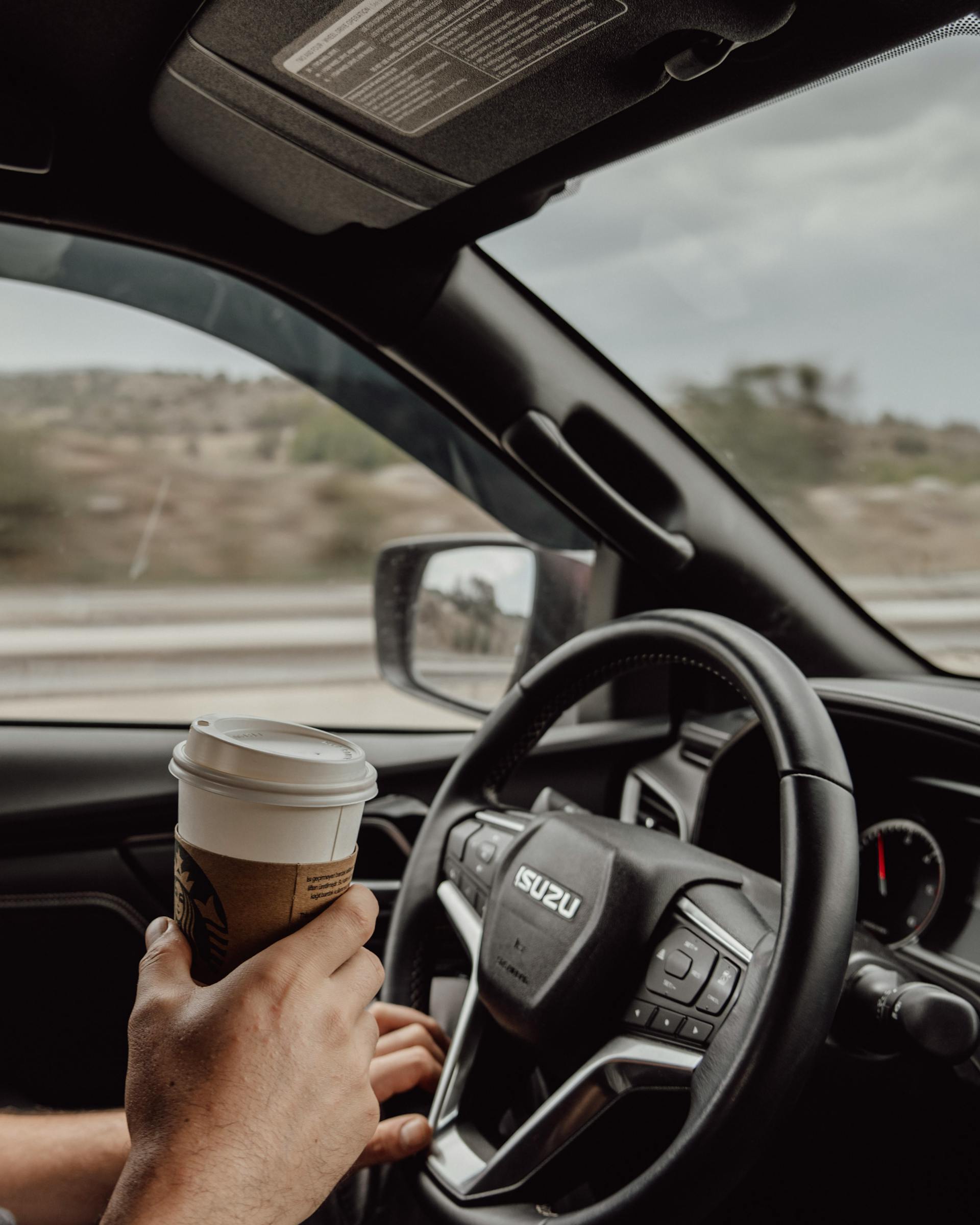
Not Checking Mirrors Often Enough
One of the most common mistakes drivers make is failing to check their mirrors regularly. Mirrors are your connection to everything happening behind and beside your vehicle, and missing just one glance can cause you to overlook a car, cyclist, or pedestrian. Many drivers only look when changing lanes, but good habits mean checking your mirrors frequently – especially the rearview – to stay fully aware of your surroundings and make safer, more confident decisions.
Developing this habit early helps you react sooner, make safer decisions, and avoid surprises. With consistent practice, mirror checks become second nature, making your overall driving smoother, far more confident, and better equipped to handle unexpected situations on the road.
Driving Too Fast for the Situation
Speed limits provide a guideline, but safe driving depends on adjusting your speed to the conditions around you. Many drivers, especially new ones, forget to slow down for tight turns, busy intersections, school zones, or bad weather. Driving too fast for the situation doesn’t just reduce your reaction time – it also increases stress and makes the car feel harder to control.
A good rule is to drive at a speed that lets you remain calm, observant, and fully in control. When you match your pace to the environment, you’ll notice that driving feels less rushed and far more predictable, helping you stay confident even in slightly more challenging situations.

Following Other Vehicles Too Closely
Tailgating is an easy mistake to make, particularly in traffic, but it’s also one of the riskiest. Leaving too little space limits your ability to react if the car ahead brakes suddenly or encounters a hazard. Even a brief lapse in attention can turn into a dangerous situation when you're too close.
Maintaining a safe following distance gives you time to think, adjust, and stay calm. A wider gap not only protects you but also reduces the sense of pressure that comes with driving directly behind another car, especially for beginners who may still be building their confidence.
Forgetting to Signal Early Enough
Turn signals are one of the simplest safety tools on the road, yet many drivers either forget to use them or activate them too late. Signaling early gives other road users time to react and understand your intentions, whether you’re merging, changing lanes, or turning at an intersection.
Consistently using your signals early creates smoother interactions with traffic and reduces confusion. It’s a small habit that strengthens your communication on the road and builds trust with other drivers.
Letting Stress Take Over
Even experienced drivers sometimes let stress influence their decisions. Feeling rushed, frustrated, or anxious can lead to harsh braking, poor lane positioning, or forgetting basic checks. Stress narrows your focus and makes you more likely to overlook important cues around you.
Taking a moment to breathe, relaxing your hands on the wheel, and focusing on one step at a time can make a huge difference. When you stay calm and centered, your driving becomes smoother, safer, and far more enjoyable, allowing you to handle each situation with greater clarity.